Blog

  • Can Swimming Pool Construction Be Done in Winter? Everything You Need to Know

    Winter is often considered an off-season for outdoor construction projects, which leads many property owners to wonder whether building a swimming pool during colder months is a good idea. While summer is traditionally associated with swimming pools, winter can actually be an excellent time to start a pool project in many regions. Modern construction methods, advanced materials, and proper planning have made year-round pool installation possible.

    Understanding the advantages, challenges, and requirements of winter pool building can help homeowners make informed decisions. In this article, we will explore whether swimming pool construction can be carried out during winter, the factors that influence the process, and how proper equipment and planning contribute to successful results.

    Is Winter a Good Time for Pool Construction?

    The simple answer is yes. In many areas, winter is a practical season for pool installation. Construction companies often have greater scheduling flexibility during this period, allowing projects to begin sooner than during peak summer demand.

    By starting construction in winter, homeowners can have their pools ready before the arrival of warm weather. This eliminates the need to wait through spring and summer construction schedules, which are often fully booked.

    An experienced swimming pool builder can evaluate local weather conditions and determine whether winter construction is suitable for a specific location.

    Benefits of Building a Pool in Winter

    One of the biggest benefits of winter construction is project availability. Contractors generally manage fewer projects during colder months, which may result in faster project completion.

    Another advantage is reduced disruption to outdoor activities. Since gardens and outdoor spaces are used less frequently during winter, construction work causes minimal inconvenience.

    Winter conditions can also be favorable for landscaping preparation. Once the pool structure is completed, the surrounding area has time to settle before spring planting and outdoor decorating begin.

    Additionally, planning ahead ensures that the pool is fully operational when temperatures rise and swimming season starts.

    Challenges of Winter Pool Construction

    Although winter construction offers several benefits, it also comes with certain challenges. Cold temperatures can affect concrete curing times and other construction materials. In regions with freezing conditions, extra precautions may be required to protect newly installed structures.

    Rainfall can also influence excavation schedules and site preparation activities. Excess moisture may slow down construction if drainage systems are not properly managed.

    However, these challenges can usually be addressed through professional planning and site management. A qualified swimming pool builder understands how to adapt construction methods to seasonal conditions while maintaining quality standards.

    Importance of Proper Planning

    Winter pool projects require detailed planning before excavation begins. Site evaluation, soil testing, drainage design, and material selection become especially important during colder months.

    Construction teams often monitor weather forecasts closely to schedule critical stages such as excavation, concrete pouring, and finishing work. Proper coordination helps minimize delays and ensures the pool remains structurally sound.

    Homeowners should also finalize design decisions early to prevent interruptions once construction starts. Clear planning contributes significantly to a smooth and efficient project timeline.

    Pool Equipment Considerations During Winter Installation

    Installing the right equipment during construction is essential regardless of the season. Reliable pool pump supplies play a major role in maintaining water quality and circulation once the pool becomes operational.

    Modern pump systems are designed for energy efficiency and consistent performance throughout the year. Choosing high-quality filtration and circulation equipment during the construction phase reduces future maintenance requirements and operating costs.

    Professional installers can recommend suitable equipment based on pool size, usage patterns, and environmental conditions.

    Safety Features Should Not Be Overlooked

    Safety remains a key consideration during every pool project. Installing durable swimming pool ladders is an important part of creating a safe swimming environment.

    Well-designed ladders provide secure entry and exit points for users of all ages. Stainless steel and corrosion-resistant models are commonly selected because they offer long-term durability and require minimal maintenance.

    Additional safety features such as handrails, anti-slip surfaces, pool covers, and protective barriers can further improve user safety and convenience.

    Preparing for Summer Enjoyment

    One of the strongest reasons to choose winter construction is readiness for the upcoming swimming season. By completing major construction work during winter, homeowners avoid delays that commonly occur during peak demand periods.

    Once warmer temperatures arrive, the pool can be filled, tested, and prepared for immediate use. Landscaping, lighting, and outdoor entertainment features can also be completed well in advance, creating a fully finished outdoor space.

    This proactive approach allows families to enjoy their investment from the very beginning of the season.

    Conclusion

    Winter can be a highly effective time for swimming pool construction when supported by proper planning, professional expertise, and suitable weather conditions. Although colder temperatures may present some challenges, experienced contractors can manage these factors successfully. Early construction provides scheduling advantages, reduces seasonal delays, and ensures the pool is ready for use when summer arrives. Quality pool pump supplies and durable swimming pool ladders further contribute to long-term performance and safety.

    DS Water Technology is a trusted supplier of swimming pool equipment and solutions in India. Through Swimming Pool Products, the company offers premium-quality pool accessories, filtration systems, pumps, ladders, and maintenance products. With a focus on reliability, product quality, and customer satisfaction, DS Water Technology supports residential and commercial pool projects with dependable solutions designed for long-term performance.
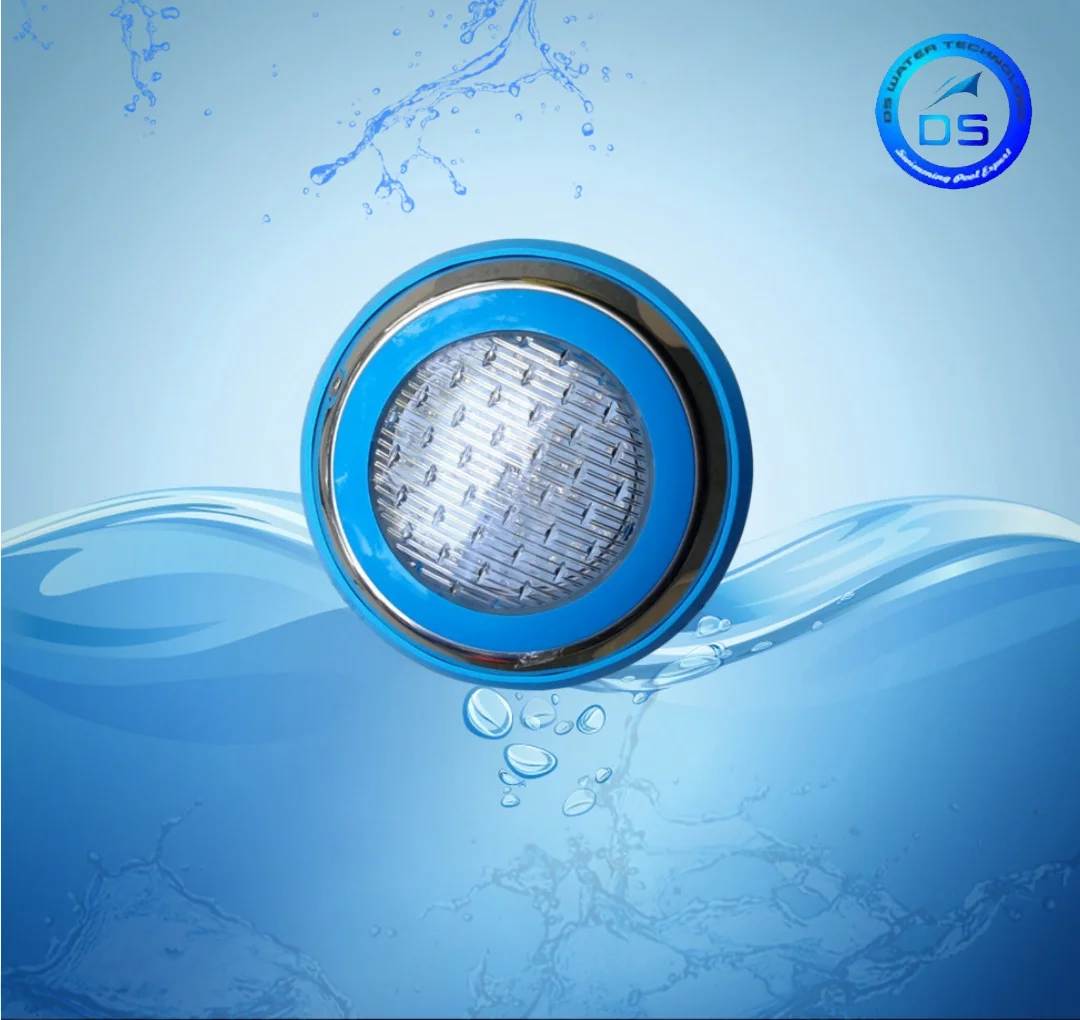
  • Are Your Swimming Pool Lights Up to Code? A Safety Checklist

    Are Your Swimming Pool Lights Up to Code? A Safety Checklist

    A properly installed swimming pool light system does more than improve the beauty of a pool. It plays a major role in swimmer safety, nighttime visibility, and overall electrical protection. While many pool owners focus on brightness, color effects, and design, safety compliance is often overlooked until problems arise.

    Faulty pool lighting can lead to electrical hazards, water leakage, poor visibility, and expensive maintenance issues. Whether it is a residential swimming pool, hotel pool, resort, or commercial aquatic facility, ensuring that your pool lighting meets proper safety standards is extremely important.

    Today, professional pool designers and equipment specialists, including teams associated with DS Water Technology, emphasize that lighting safety should always be a priority during installation and maintenance.

    Why Pool Light Safety Matters

    Swimming pools combine water and electricity, making lighting safety essential. An incorrectly installed swimming pool light can create serious risks for swimmers and maintenance staff.

    Unsafe lighting systems may result in:

    • Electrical shocks
    • Water leakage into fixtures
    • Short circuits
    • Reduced underwater visibility
    • Fire hazards
    • Frequent fixture failures

    Following proper safety standards helps prevent accidents and ensures long-term performance.

    Understanding Pool Lighting Codes

    Pool lighting codes are designed to ensure safe electrical operation in wet environments. These regulations typically focus on:

    • Waterproof fixture protection
    • Low-voltage electrical systems
    • Grounding and bonding
    • Safe wiring installation
    • Proper transformer use
    • Distance between electrical equipment and water

    Compliance with these standards helps reduce the possibility of electrical accidents around the pool area.

    A professionally installed swimming pool light system should always follow local electrical and safety regulations.

    Safety Checklist for Swimming Pool Lights

    Here are some important points every pool owner should check to ensure their lighting system is safe and code compliant.

    1. Check for Waterproof Fixtures

    Pool lights must be specifically designed for underwater use. Standard outdoor lighting fixtures are not suitable for swimming pools.

    Ensure your lighting fixtures include:

    • Waterproof housing
    • Corrosion-resistant materials
    • Proper sealing systems
    • Certified underwater protection ratings

    Water entering the fixture can damage the system and create electrical hazards.

    2. Verify Low-Voltage Operation

    Modern swimming pool light systems usually operate on low voltage, commonly 12V, to improve safety.

    Low-voltage systems significantly reduce electrical risk around water.

    Always verify that:

    • A proper transformer is installed
    • Voltage levels meet safety standards
    • Electrical connections are secure

    Using incorrect voltage systems can create dangerous conditions.

    3. Inspect Grounding and Bonding

    Grounding and bonding are essential parts of swimming pool electrical safety.

    Proper grounding helps safely direct electrical faults away from swimmers and equipment.

    Bonding ensures that all metal components around the pool maintain equal electrical potential.

    This includes:

    • Pool ladders
    • Handrails
    • Pumps
    • Filters
    • Metal fixtures

    Improper grounding is one of the most serious pool safety issues.

    4. Look for Damaged Light Fixtures

    Cracked or damaged pool lights should never be ignored.

    Inspect your swimming pool light system regularly for:

    • Broken lenses
    • Corroded fixtures
    • Loose fittings
    • Water condensation inside lights
    • Flickering illumination

    Damaged fixtures can compromise waterproofing and electrical safety.

    5. Ensure Proper Light Placement

    Lighting should provide balanced illumination throughout the pool without creating glare or dark spots.

    Proper placement improves:

    • Underwater visibility
    • Step and edge visibility
    • Swimmer safety
    • Overall aesthetics

    Poorly positioned lights may reduce visibility and increase accident risks.

    6. Check Electrical Wiring Quality

    Unsafe or outdated wiring can lead to electrical failures and fire hazards.

    Pool lighting wiring should always be:

    • Waterproof
    • Properly insulated
    • Professionally installed
    • Protected from moisture exposure

    Routine inspection of electrical connections helps identify problems before they become dangerous.

    7. Test Ground Fault Circuit Interrupters (GFCI)

    GFCI protection is essential for swimming pool lighting systems.

    A GFCI device automatically shuts off electrical power if it detects abnormal current flow, helping prevent electric shock.

    Every swimming pool light system should include properly functioning GFCI protection.

    Regular testing ensures the device operates correctly.

    8. Avoid DIY Electrical Installation

    Pool lighting installation involves specialized electrical work and waterproofing techniques.

    Attempting DIY installation without expertise may lead to:

    • Electrical hazards
    • Improper waterproof sealing
    • Incorrect voltage setup
    • Non-compliance with safety standards

    Professional installation ensures proper safety and performance.

    Many pool contractors rely on trusted suppliers such as DS Water Technology for lighting systems designed to meet modern pool safety requirements.

    9. Upgrade Old Lighting Systems

    Older pool lights may not meet current safety and energy-efficiency standards.

    Upgrading outdated systems to modern LED-based swimming pool light technology offers several advantages:

    • Lower electricity consumption
    • Improved brightness
    • Better waterproof protection
    • Reduced maintenance
    • Enhanced safety features

    Modern LED systems also provide longer operational life and better visual appeal.

    10. Schedule Routine Maintenance

    Regular maintenance is one of the best ways to keep pool lighting safe and efficient.

    Maintenance should include:

    • Cleaning light covers
    • Inspecting waterproof seals
    • Checking transformers
    • Testing electrical connections
    • Replacing damaged fixtures promptly

    Routine inspections help prevent unexpected failures and safety risks.

    Signs Your Pool Lights May Not Be Safe

    You should immediately inspect your lighting system if you notice:

    • Flickering lights
    • Water inside fixtures
    • Repeated bulb failures
    • Tripping circuit breakers
    • Corrosion around fixtures
    • Unusual electrical smells

    These warning signs may indicate serious safety issues.

    Final Thoughts

    A safe and properly installed swimming pool light system is essential for both functionality and peace of mind. Pool lighting should never be treated as only a decorative feature — it is also a critical part of electrical and swimmer safety.

    By following a proper safety checklist, pool owners can reduce risks, improve visibility, and extend the lifespan of their lighting systems. Waterproof protection, low-voltage operation, professional installation, and routine maintenance all contribute to safe and reliable pool lighting performance.

    Today, many homeowners, hotels, and commercial pool operators choose dependable lighting systems from trusted providers like DS Water Technology to ensure both safety compliance and long-lasting visual appeal in modern swimming pool environments.