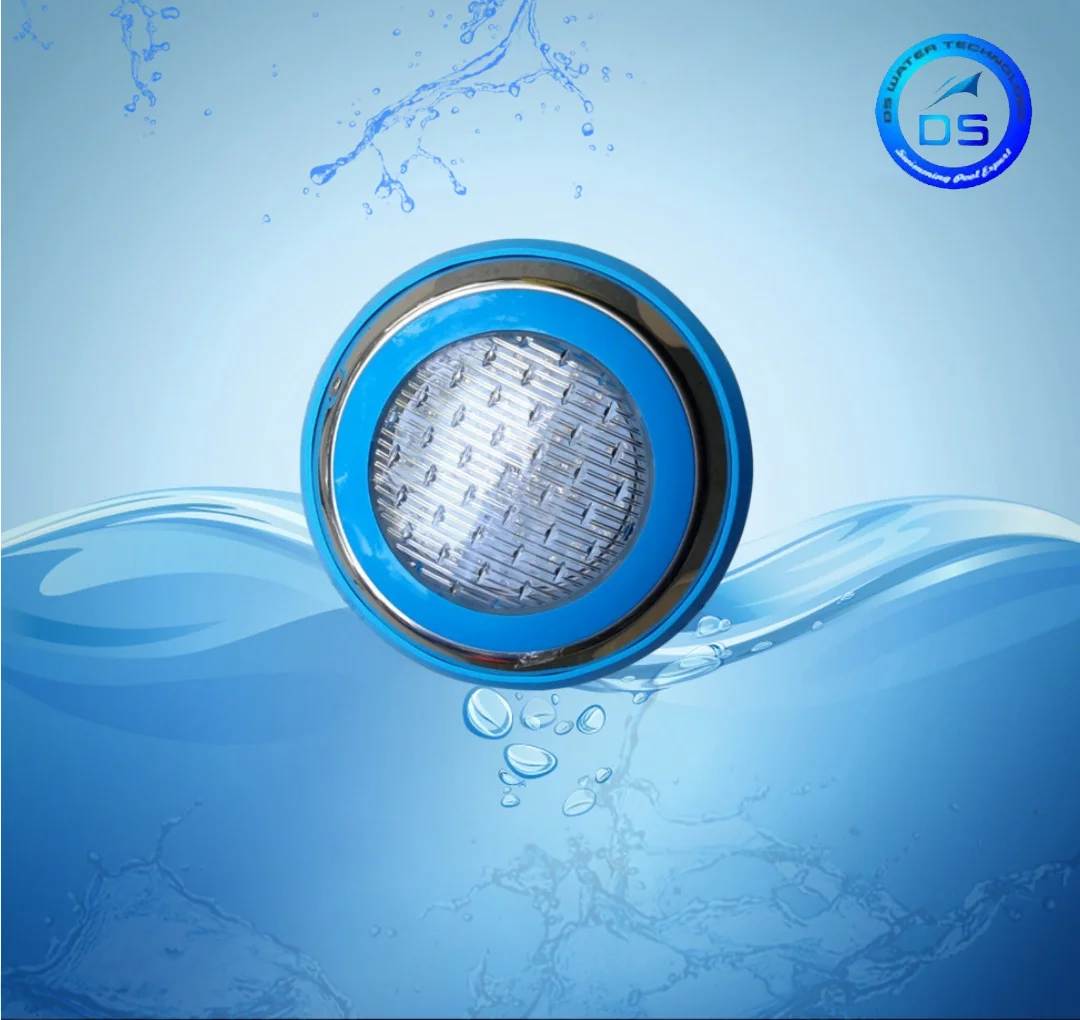
A properly installed swimming pool light system does more than improve the beauty of a pool. It plays a major role in swimmer safety, nighttime visibility, and overall electrical protection. While many pool owners focus on brightness, color effects, and design, safety compliance is often overlooked until problems arise.
Faulty pool lighting can lead to electrical hazards, water leakage, poor visibility, and expensive maintenance issues. Whether it is a residential swimming pool, hotel pool, resort, or commercial aquatic facility, ensuring that your pool lighting meets proper safety standards is extremely important.
Today, professional pool designers and equipment specialists, including teams associated with DS Water Technology, emphasize that lighting safety should always be a priority during installation and maintenance.
Why Pool Light Safety Matters
Swimming pools combine water and electricity, making lighting safety essential. An incorrectly installed swimming pool light can create serious risks for swimmers and maintenance staff.
Unsafe lighting systems may result in:
- Electrical shocks
- Water leakage into fixtures
- Short circuits
- Reduced underwater visibility
- Fire hazards
- Frequent fixture failures
Following proper safety standards helps prevent accidents and ensures long-term performance.
Understanding Pool Lighting Codes
Pool lighting codes are designed to ensure safe electrical operation in wet environments. These regulations typically focus on:
- Waterproof fixture protection
- Low-voltage electrical systems
- Grounding and bonding
- Safe wiring installation
- Proper transformer use
- Distance between electrical equipment and water
Compliance with these standards helps reduce the possibility of electrical accidents around the pool area.
A professionally installed swimming pool light system should always follow local electrical and safety regulations.
Safety Checklist for Swimming Pool Lights
Here are some important points every pool owner should check to ensure their lighting system is safe and code compliant.
1. Check for Waterproof Fixtures
Pool lights must be specifically designed for underwater use. Standard outdoor lighting fixtures are not suitable for swimming pools.
Ensure your lighting fixtures include:
- Waterproof housing
- Corrosion-resistant materials
- Proper sealing systems
- Certified underwater protection ratings
Water entering the fixture can damage the system and create electrical hazards.
2. Verify Low-Voltage Operation
Modern swimming pool light systems usually operate on low voltage, commonly 12V, to improve safety.
Low-voltage systems significantly reduce electrical risk around water.
Always verify that:
- A proper transformer is installed
- Voltage levels meet safety standards
- Electrical connections are secure
Using incorrect voltage systems can create dangerous conditions.
3. Inspect Grounding and Bonding
Grounding and bonding are essential parts of swimming pool electrical safety.
Proper grounding helps safely direct electrical faults away from swimmers and equipment.
Bonding ensures that all metal components around the pool maintain equal electrical potential.
This includes:
- Pool ladders
- Handrails
- Pumps
- Filters
- Metal fixtures
Improper grounding is one of the most serious pool safety issues.
4. Look for Damaged Light Fixtures
Cracked or damaged pool lights should never be ignored.
Inspect your swimming pool light system regularly for:
- Broken lenses
- Corroded fixtures
- Loose fittings
- Water condensation inside lights
- Flickering illumination
Damaged fixtures can compromise waterproofing and electrical safety.
5. Ensure Proper Light Placement
Lighting should provide balanced illumination throughout the pool without creating glare or dark spots.
Proper placement improves:
- Underwater visibility
- Step and edge visibility
- Swimmer safety
- Overall aesthetics
Poorly positioned lights may reduce visibility and increase accident risks.
6. Check Electrical Wiring Quality
Unsafe or outdated wiring can lead to electrical failures and fire hazards.
Pool lighting wiring should always be:
- Waterproof
- Properly insulated
- Professionally installed
- Protected from moisture exposure
Routine inspection of electrical connections helps identify problems before they become dangerous.
7. Test Ground Fault Circuit Interrupters (GFCI)
GFCI protection is essential for swimming pool lighting systems.
A GFCI device automatically shuts off electrical power if it detects abnormal current flow, helping prevent electric shock.
Every swimming pool light system should include properly functioning GFCI protection.
Regular testing ensures the device operates correctly.
8. Avoid DIY Electrical Installation
Pool lighting installation involves specialized electrical work and waterproofing techniques.
Attempting DIY installation without expertise may lead to:
- Electrical hazards
- Improper waterproof sealing
- Incorrect voltage setup
- Non-compliance with safety standards
Professional installation ensures proper safety and performance.
Many pool contractors rely on trusted suppliers such as DS Water Technology for lighting systems designed to meet modern pool safety requirements.
9. Upgrade Old Lighting Systems
Older pool lights may not meet current safety and energy-efficiency standards.
Upgrading outdated systems to modern LED-based swimming pool light technology offers several advantages:
- Lower electricity consumption
- Improved brightness
- Better waterproof protection
- Reduced maintenance
- Enhanced safety features
Modern LED systems also provide longer operational life and better visual appeal.
10. Schedule Routine Maintenance
Regular maintenance is one of the best ways to keep pool lighting safe and efficient.
Maintenance should include:
- Cleaning light covers
- Inspecting waterproof seals
- Checking transformers
- Testing electrical connections
- Replacing damaged fixtures promptly
Routine inspections help prevent unexpected failures and safety risks.
Signs Your Pool Lights May Not Be Safe
You should immediately inspect your lighting system if you notice:
- Flickering lights
- Water inside fixtures
- Repeated bulb failures
- Tripping circuit breakers
- Corrosion around fixtures
- Unusual electrical smells
These warning signs may indicate serious safety issues.
Final Thoughts
A safe and properly installed swimming pool light system is essential for both functionality and peace of mind. Pool lighting should never be treated as only a decorative feature — it is also a critical part of electrical and swimmer safety.
By following a proper safety checklist, pool owners can reduce risks, improve visibility, and extend the lifespan of their lighting systems. Waterproof protection, low-voltage operation, professional installation, and routine maintenance all contribute to safe and reliable pool lighting performance.
Today, many homeowners, hotels, and commercial pool operators choose dependable lighting systems from trusted providers like DS Water Technology to ensure both safety compliance and long-lasting visual appeal in modern swimming pool environments.